HOME | ACCOUNTS | PANELS | SURVEY DESIGN | MANAGE RESPONSE | VIEWING RESULTS | ARTICLESEnsuring Accurate Diagnosis and Feedback
Whether feedback is positive or negative, it pays to take time to truly understand what is being said before responding to customers after they have left feedback.
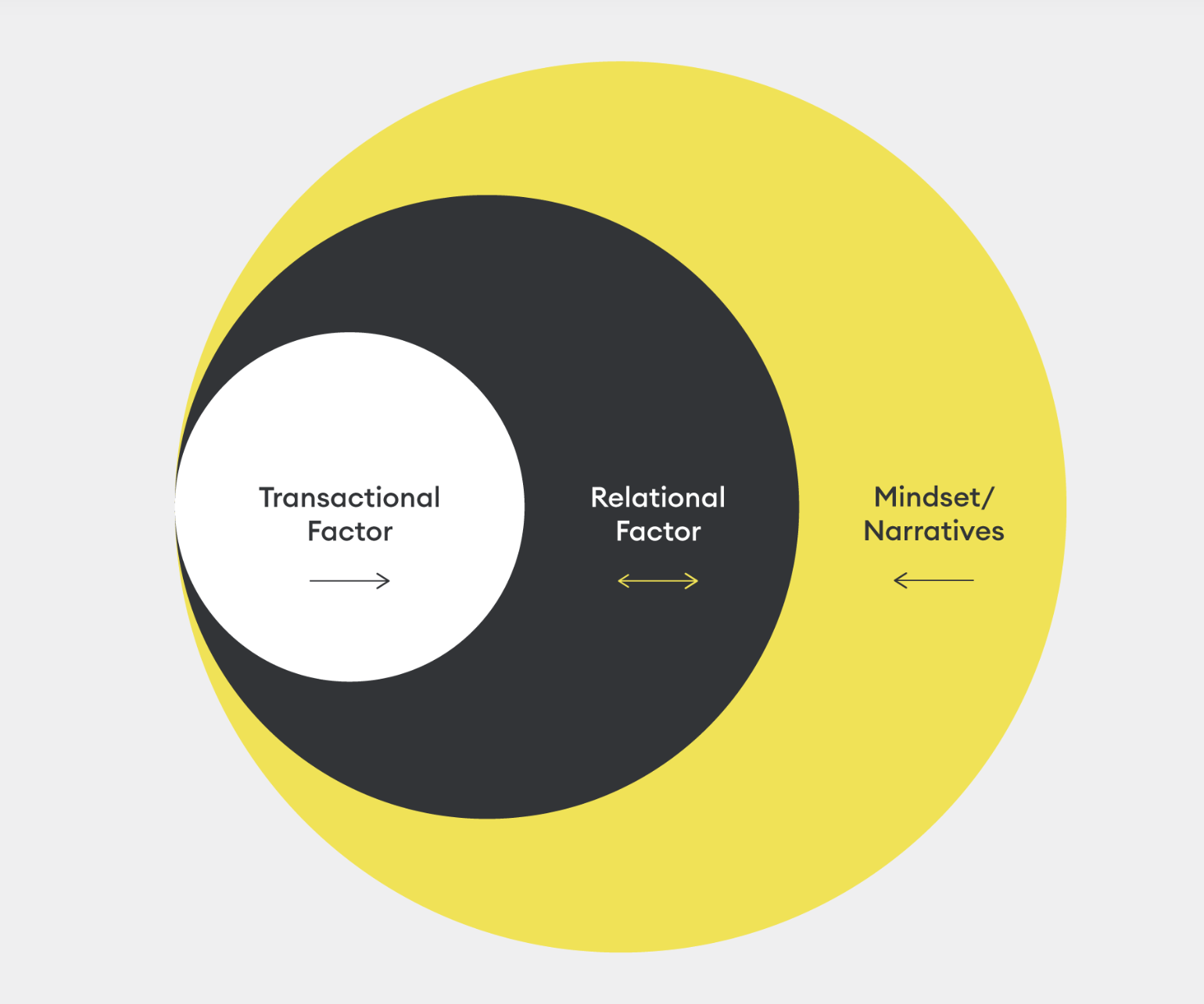
Our diagnostic model helps to differentiate ‘symptom’ from ‘cause,’ align on the root of any issues and focus action plans for success.Reaction vs Strategy
Inaccurate relationship diagnosis, where the surface issue (‘symptom’) is treated as the cause, is amongst the most common reasons why difficult customer relationships fail to improve. There are many reasons why this can happen.
Firstly, feedback can trigger an emotional reaction; it can strike at the midpoint between our innate desire to improve and our wish to be valued or appreciated. This can cause us to discount feedback or distort it; to become reactive and defensive which can be counterproductive to the health of the relationship. Resisting the urge for a quick fix and switching from ‘reacting’ to strategically responding to feedback is essential for maximising your time and achieving desired outcomes.
It’s also emotionally easier for customers to talk about transactional issues in the feedback, such as quality, the ways of working or deadlines. However transactional issues often start in the mindset or relational area. For instance, a customer who feels deprioritised may find it easier to complain about slow turnaround times or available resources than the underlying feeling.
The Do’s
Create space in your diary to review the findings, taking time to look at the whole picture, as well as individual responses.
Ask yourself ‘Why?’ - If it’s causing a strong emotional reaction, it may be beneficial to come back to it after some time.
Ask yourself ‘What might make them feel that way?’ if you find yourself dismissing feedback as unreasonable.
Ask yourself ‘Is there an underlying issue beneath what’s being said?’ to ensure you disentangle symptom from cause.
Ask yourself ‘Is there a narrative within the customer organisation or within your business, which needs to be addressed to drive resolution?’
See the feedback as a starting point for a good customer conversation. This will help you to accurately diagnose before appropriate treatment.
The Don’ts
Read and respond to feedback at speed - rushing to respond to feedback before getting a view of the full picture is likely to create more problems.
Confront a customer directly about their feedback - using a customer’s feedback verbatim or referring to their rating can be seen as putting them on the spot. Instead, talk generally about issues you want to tackle.
Allow presumptions about the relationship to stand in the way of accurate diagnosis.
What to Cover With Your Consultant
With the ability to review feedback in advance, there is an opportunity to improve how you use the time available with your Verity RI consultant. Conversations can be steered toward a more strategic discussion around risk, opportunity and the necessary relationship strategies to achieve the desired outcome.
Some of the benefits include:
More focused time and support on specific relationships at risk, or those with potential for growth.
Perspective and tailored support on barriers and opportunities to help achieve the business vision, strategy or proposition.
Additional Support to tackle relationships in specific categories or specific life cycles.
HOME | ACCOUNTS | PANELS | SURVEY DESIGN | MANAGE RESPONSE | VIEWING RESULTS | ARTICLES