HOME | ACCOUNTS | PANELS | SURVEY DESIGN | MANAGE RESPONSE | VIEWING RESULTS | ARTICLESSharing Barometer feedback with clients
How to Share Feedback with Clients to Strengthen Relationships and Drive Positive Change
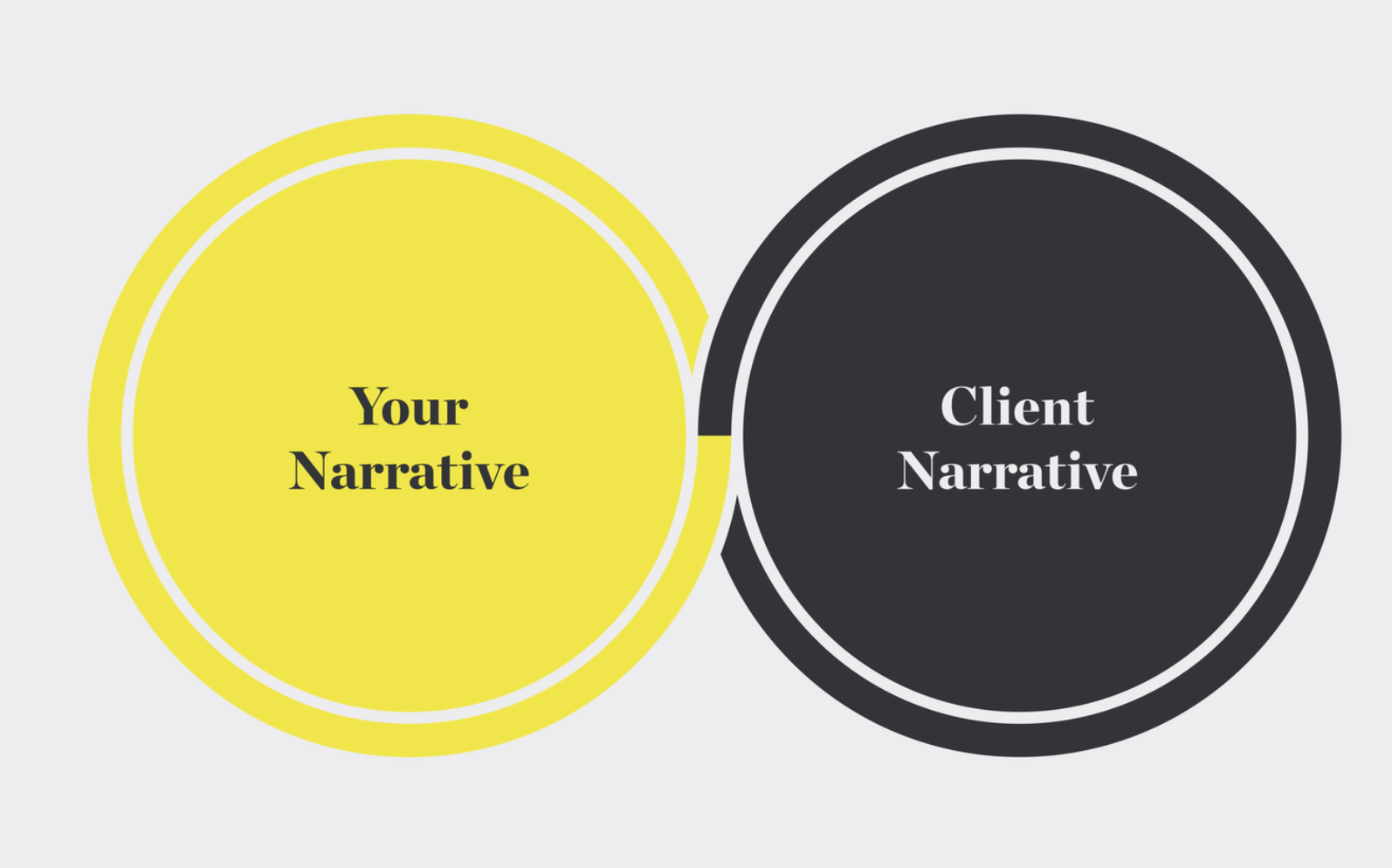
“Proof of the client’s behaviour at last!”
Barometer is designed to help facilitate an open dialogue and collective responsibility for the agency and client relationship, supporting any required behaviour change to foster true partnership. However, like all powerful insight and feedback, it has the potential to create damage if handled badly. Clients may not always be used to receiving feedback from their agencies. Receiving feedback ‘evidencing’ their shortcomings can also evoke strong emotions.
Preparing well for the conversation can help you feel confident and ensure the positive outcome you’re after. Below are 3 steps to help.
“Start with the end in mind”
-Stephen Covey
STEP 1: Preparation
How you prepare for conversation, including how you ‘see’ it, is a crucial first step and can influence the eventual outcome. Here are 5 top tips for preparation:
See the exchange as a ‘learning conversation’ - an opportunity to explore and see the relationship from each other’s perspective, identifying ‘contributions’ from both sides given problems are likely to be the consequence of many inter-related contributions between the agency and client vs a single point of failure.
Consider your mindset and intention; set out to explore and learn vs win, prove or assign blame. Prepare open-ended questions and assume positive intent. An adult-to-adult position will set the conversation up for success, so consider ways to help you get there, e.g. writing a script grounded in fact, rehearsing with a colleague, being mindful of emotion creeping into body language and tone.
Manage expectations by letting the client know you’re running Barometer early in the process and by scheduling a meeting in advance. Advanced warning can help them feel clear and secure in the reason for Barometer and how it can help the partnership. Decoupling it from the day to day can also ensure it gets the time and space it deserves.
Reflect on what is important to your client, maintaining service levels, efficiency, better work, more innovation? These could be vital motivators to leverage in driving the conversation and frame it effectively.
Think about ‘who’ is best placed to have the conversation to get the best outcome.
STEP 2: The Conversation
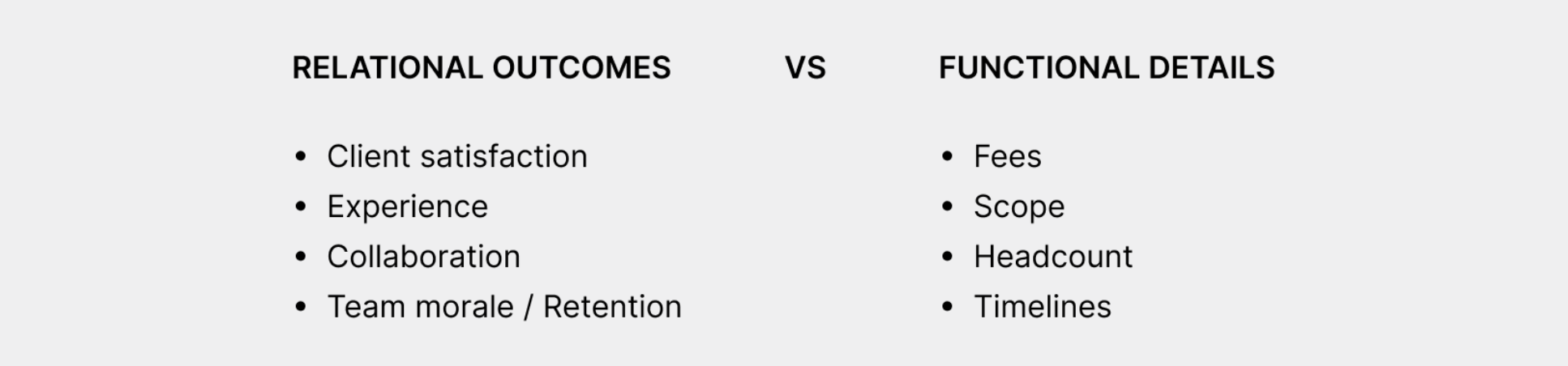
Consider framing discussions around relational outcomes before getting into the functional details. Starting with mutually aligned and motivating outcomes can help motivate the client to lean in, listen and hear the feedback as a first step to behaviour change. Whereas diving into the functional ‘facts’ may trigger confrontation and a ‘them’ and ‘us’ dynamic which may be counterproductive.
Example conversation starter for a client who is focused on partnership
“It’s never been more important to us to ensure that our partnership is of the highest quality and we’re aware there are some underlying challenges from both sides. Would you be open to working together to find solutions?”
Example conversation starter for a client who is focused on results
“Given the drive for business results, and the role team consistency plays in achieving this, how can we work together to really focus and motivate our teams to do their best work?
Further tips for the conversation:
Understand first, fix second – listen with the intent to understand, not fix. Setting the conversation up in two parts can help support you to really listen initially and resist the muscle memory to react/fix in the moment. Part 2 can be about mutual plans and resolution.
Use open-ended questions and invitations – Why, How, What if? Would you be interested in?
Try to avoid being triggered into adapted child behaviours or emotional language – stay grounded in fact, using the feedback will help you stay objective (consider bringing in a few of the high-level slides from our report to do this, along with our industry benchmarks).
Keep the language inclusive (‘we’, ‘us’) and mirror theirs to avoid miscommunication, especially around tricky words such as ‘strategy’ or ‘innovation’
Adopt a future focus – look ahead and ground the conversation in the future outcomes you want to achieve together
Be clear on success and next steps - Identify what matters most, build a list of priorities together, and align on 3 measures of success. Be specific, agree on the timeframe, the next check-in and make sure you can deliver against what is agreed.
STEP 2: Closing The Loop And Working The Plan
Finally, once the conversation has been had, it can be easy to lose momentum or become distracted by the day-to-day. Some final prompts on driving behaviour change are:
Consideration about how the agency and client might co-own communication around next steps, demonstrating unity and joint commitment.
Alignment on the best method (and frequency) to review progress and resolve problems.
Consideration about escalation points and governance; how will you course correct if needed?
Agreement about what success looks like, and how/when you’ll measure again.
HOME | ACCOUNTS | PANELS | SURVEY DESIGN | MANAGE RESPONSE | VIEWING RESULTS | ARTICLES